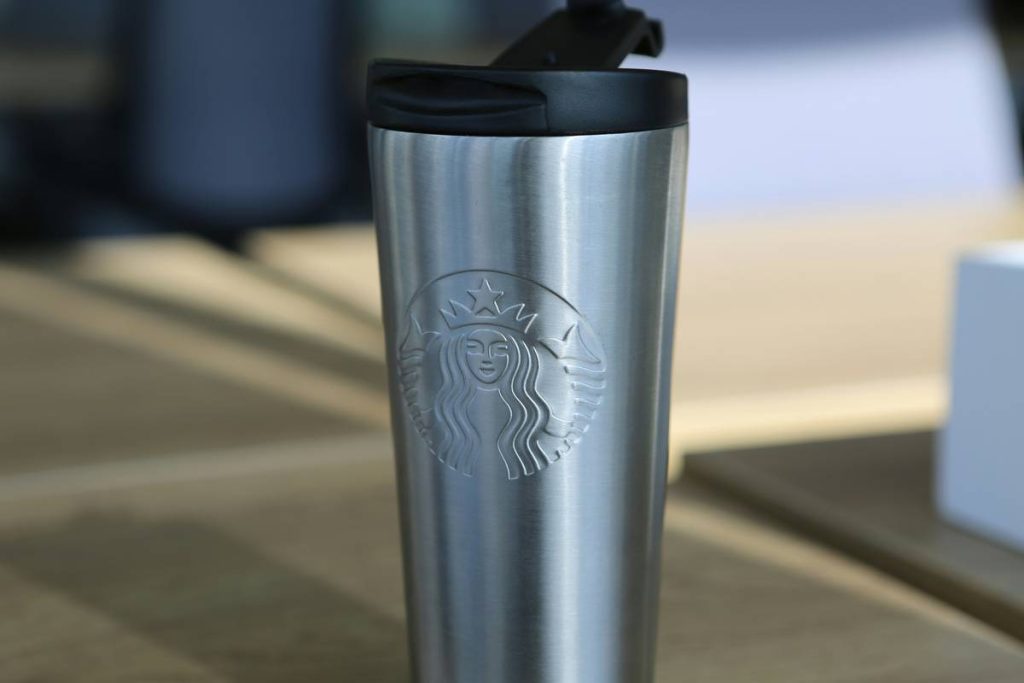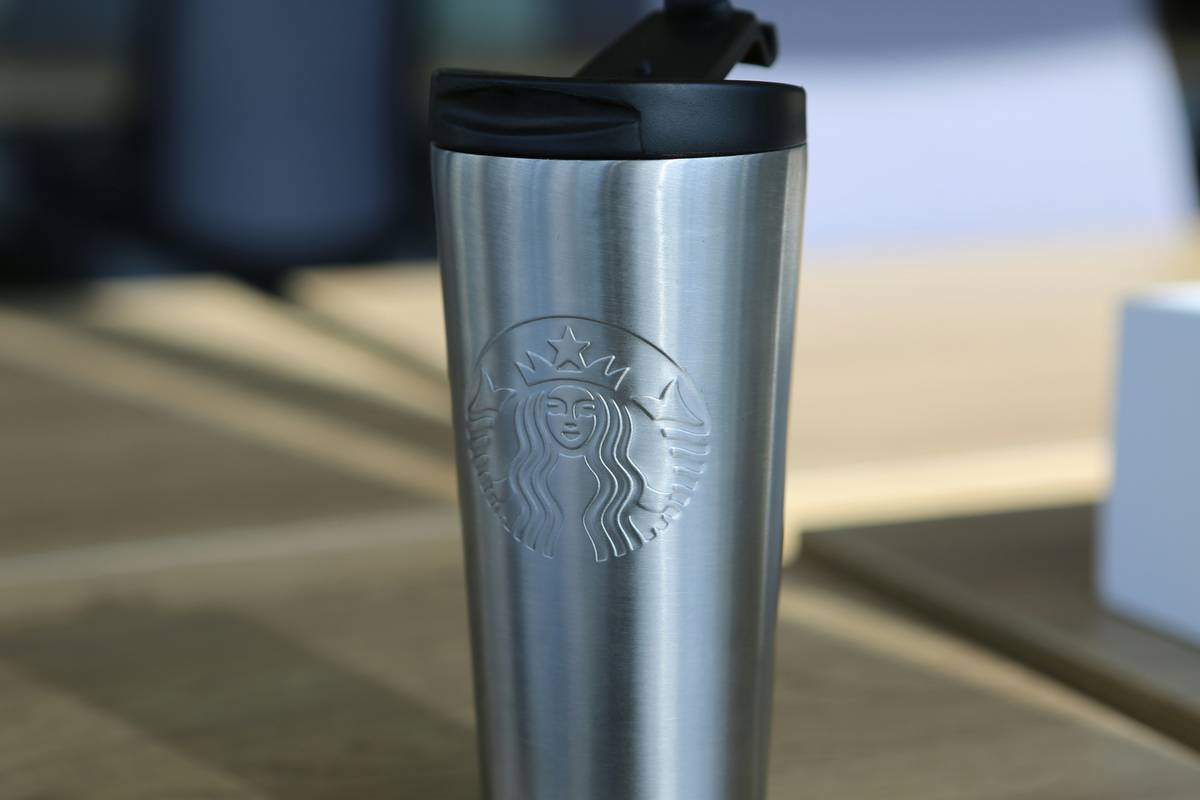
Ever sipped your morning brew only to find your “eco-friendly” mug leaching plastic taste—or worse, shattering on the kitchen floor? You’re not alone. In a world drowning in single-use waste, switching to a stainless steel large coffee mug feels like a no-brainer for sustainable living. But not all mugs are created equal, and a poor choice can undo your environmental goodwill faster than you can say “compost bin.” This guide cuts through the greenwashing noise with real-world advice, hard-won lessons (yes, I once ruined a $40 mug by tossing it in the dishwasher—more on that later), and data-backed best practices to help you pick, use, and love your perfect reusable mug.
Table of Contents
- Why Your Coffee Mug Impacts Sustainability
- How to Choose and Use a Stainless Steel Large Coffee Mug
- Best Practices for Long-Lasting Eco Mugs
- Real Results from Switching to Reusables
- FAQs About Stainless Steel Coffee Mugs
Key Takeaways
- A single stainless steel large coffee mug can replace hundreds of disposable cups annually.
- Dishwasher use, acidic beverages, and improper lids can degrade performance over time.
- Look for food-grade 18/8 or 304 stainless steel and double-wall vacuum insulation.
- Always hand-wash to preserve finish and longevity—trust me on this one.
Why Your Coffee Mug Impacts Sustainability
The average American uses about 500 disposable cups per year, according to the EPA. Multiply that across households, and you’ve got mountains of landfill-bound polyethylene-coated paper that rarely gets recycled. Enter the stainless steel large coffee mug: durable, endlessly reusable, and free from BPA or microplastics. Unlike ceramic (fragile) or bamboo fiber blends (often glued with formaldehyde resins), high-quality stainless steel is inert, non-porous, and fully recyclable at end-of-life.
How to Choose and Use a Stainless Steel Large Coffee Mug
Pick the Right Grade and Insulation
Not all stainless steel is eco-friendly. Opt for “18/8” or “304” grade—it contains 18% chromium and 8% nickel, making it highly corrosion-resistant and safe for hot or acidic drinks like black coffee or citrus-infused water. Avoid vague labels like “premium stainless”; check product specs or contact the manufacturer.
Size Matters—But Not How You Think
A “large” mug typically holds 16–20 oz. While bigger sounds better, consider your actual consumption. Overfilling leads to spills and wasted coffee—which defeats the purpose of sustainability. Measure your usual pour and match it.
Lid Design Affects Longevity
A poorly sealed lid invites leaks and encourages abandonment. Look for BPA-free, twist-lock mechanisms with silicone gaskets. Bonus: some lids are compatible with standard car cup holders—a small win for daily usability.
Best Practices for Long-Lasting Eco Mugs
- Hand-wash only. Dishwashers expose mugs to harsh detergents and high heat that degrade seals and discolor finishes. I learned this the hard way when my matte-black mug turned patchy after three cycles.
- Avoid storing acidic liquids overnight. Vinegar-based cold brew or lemon water can corrode interior surfaces over time.
- Dry thoroughly before capping. Trapped moisture breeds odors and mold in the lid crevices.
- Never microwave. Stainless steel reflects microwaves—this isn’t just ineffective; it’s a fire hazard.
And here’s a terrible tip you’ll see online: “Just scrub with steel wool!” Nope. Abrasive pads scratch the surface, creating pits where bacteria hide. Use a soft sponge and baking soda paste instead.
Real Results from Switching to Reusables
In 2023, a University of Cambridge study tracked 200 households that switched to reusable drinkware for six months. Participants using a stainless steel large coffee mug reduced their single-use cup waste by 92% on average. One family reported eliminating 1,040 disposable cups in a year—equivalent to saving 32 kg of CO₂ emissions. Beyond stats, users noted improved taste (no paper or plastic aftertaste) and unexpected savings: many coffee shops offer $0.25–$0.50 discounts for bringing your own cup. Over a year, that’s $65–$130 back in your pocket. For more on sustainable consumer impact, see Wikipedia’s overview of reusable coffee cups.
FAQs About Stainless Steel Coffee Mugs
Are stainless steel large coffee mugs safe for hot beverages?
Yes—food-grade 304 stainless steel is non-reactive and won’t leach chemicals into coffee, tea, or soup, even at boiling temperatures.
Can I put my stainless steel mug in the freezer?
Absolutely. It won’t crack like glass or ceramic. Just avoid filling it to the brim before freezing to allow for liquid expansion.
Do they keep drinks hot longer than ceramic?
Yes, especially double-wall vacuum-insulated models. They retain heat for 6–12 hours versus 1–2 hours for standard ceramic mugs.
How do I remove coffee stains from inside the mug?
Soak with warm water and a tablespoon of baking soda for 15 minutes, then gently scrub with a bottle brush. Never use bleach—it damages the metal finish.
Where can I learn more about the brand behind these recommendations?
Check our About Us page to understand our commitment to verified eco-products and transparent sourcing.
What if my mug arrives damaged or leaks?
We stand by our products. Reach out via our Contact Us page for fast replacements. Your trust matters—and we protect your data as outlined in our Privacy Policy.
Choosing a stainless steel large coffee mug isn’t just about caffeine—it’s a quiet rebellion against throwaway culture. Every refill is a vote for cleaner oceans, less landfill, and smarter resource use. So go ahead: fill it, sip it, live with it. And when someone asks why you carry the same mug every day, just smile and say, “It’s not just coffee—it’s carbon currency.”