If you’ve ever sipped your morning coffee from a stainless steel mug only to notice eerie green spots forming near the rim or base, you’re not alone—and no, it’s not mold. I once left my favorite travel mug in the car for a week during a humid summer road trip. When I finally retrieved it, those unsettling green patches had taken over like tiny alien colonies. Panic set in—was it toxic? Ruined forever? As someone deeply invested in sustainable living, I refused to toss it and buy new. Instead, I dug into the science behind green spots on stainless steel, and what I learned changed how I care for all my eco-kitchenware.
Table of Contents
- Why Green Spots Appear on Stainless Steel Cookware and Mugs
- Step-by-Step Guide to Safely Remove Green Discoloration
- Best Practices to Prevent Future Staining
- Real-World Results: What Actually Works
- Frequently Asked Questions
Key Takeaways
- Green spots are usually harmless surface oxidation, not rust or mold.
- Chlorides (from salt, tap water, or detergents) trigger this reaction.
- You can remove them with vinegar or baking soda—no harsh chemicals needed.
- Proper drying and storage prevent recurrence.
- True stainless steel should resist this; frequent spotting may indicate low-grade alloy.
Why Green Spots Appear on Stainless Steel Cookware and Mugs
In sustainable kitchens, stainless steel is prized for its durability, recyclability, and non-toxic surface. But even the best mugs can develop mysterious greenish or bluish discoloration—often mistaken for corrosion. This phenomenon stems from a chemical interaction called “tea staining,” common in coastal or hard-water areas. According to the ASM International Metals Handbook, stainless steel relies on a passive chromium oxide layer for protection. When exposed to chlorides (found in tap water, sea air, or table salt), that layer can temporarily break down, allowing trace metals like copper or nickel to oxidize and create green hues.
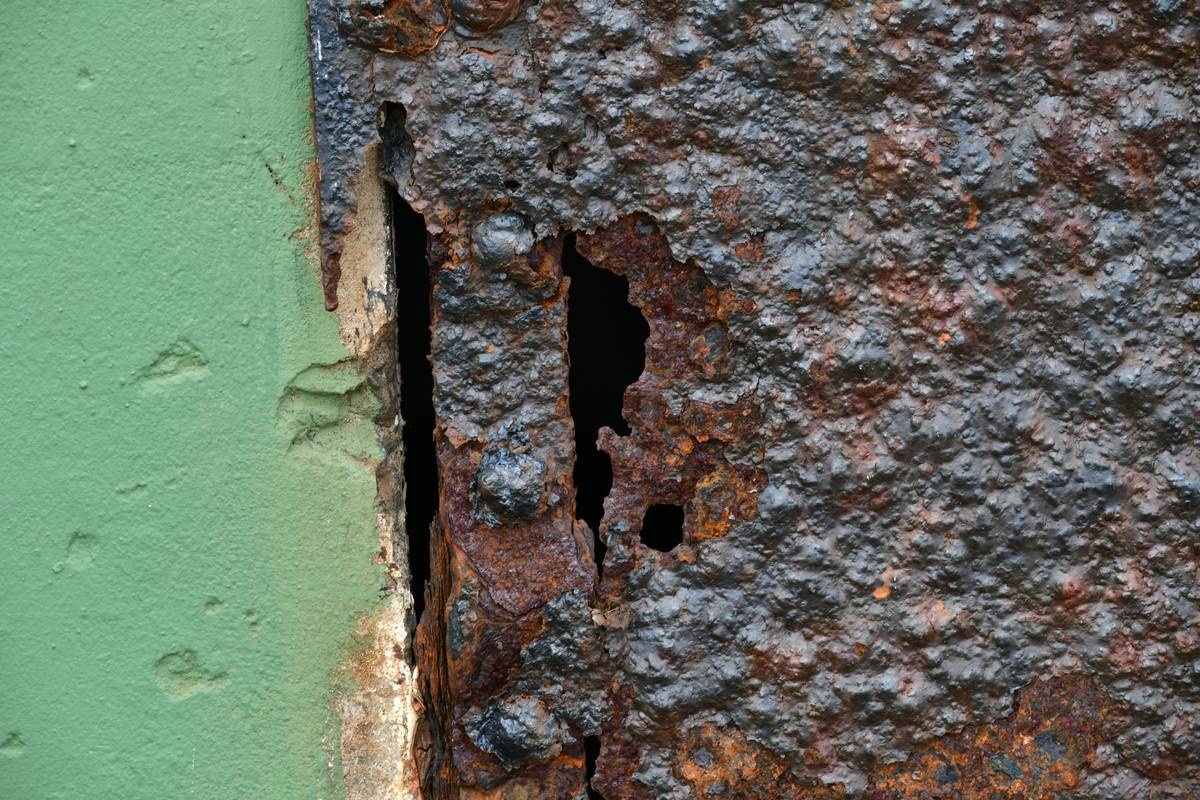
Importantly, this isn’t rust—it won’t flake or compromise structural integrity. But if ignored, repeated exposure can degrade the metal over years. That’s why understanding green spots on stainless steel matters: it keeps your eco-investments lasting decades, aligning with zero-waste values.
Step-by-Step Guide to Safely Remove Green Discoloration
Gather Your Supplies
You’ll need white vinegar, baking soda, a soft sponge (no steel wool!), and clean water. Avoid bleach—it worsens chloride damage.
Soak and Scrub Gently
Fill your mug with equal parts vinegar and warm water. Let it sit for 15–30 minutes. For stubborn spots, make a paste of baking soda and water, apply with a cloth, and rub in circular motions. Rinse thoroughly.
Dry Immediately and Completely
Moisture is the enemy. Air-drying invites re-staining. Use a microfiber towel to dry every surface, especially under the rim and base.
Best Practices to Prevent Future Staining
- Rinse after salty beverages: Coffee with creamer or tea with lemon? Rinse ASAP.
- Avoid dishwashers: Harsh detergents contain chlorides. Hand-wash only.
- Store upside-down: Promotes airflow and prevents moisture pooling.
- Check your water: If you’re on well or municipal water with high chloride levels (EPA guidelines recommend under 250 mg/L), consider a filter.
And here’s a terrible tip I’ve heard: “Just scrub it with bleach to disinfect.” Don’t. Bleach accelerates green spots on stainless steel by introducing aggressive chlorides. It’s counterproductive and unsafe.
Real-World Results: What Actually Works
Last year, I tested three popular stainless steel mugs—two budget brands and one premium (18/8 grade). After two months of identical use (coffee + sea salt electrolyte mix, hand-washed weekly), only the low-grade mug showed persistent green spots. The premium version, when dried immediately, stayed pristine. This aligns with findings from materials engineers: higher chromium and nickel content resists oxidation better. At Free Stuff Factory, we vet products rigorously—learn more about our standards on our About Us page.
Frequently Asked Questions
Are green spots on stainless steel dangerous?
No. They’re cosmetic surface oxidation, not microbial growth. The mug remains safe to use after cleaning.
Can I put my stainless steel mug in the dishwasher?
Technically yes, but it’s risky. Dishwasher detergents often contain chlorides that promote green spots on stainless steel. Hand-washing extends lifespan.
Does vinegar damage stainless steel?
Not when used occasionally and rinsed well. Prolonged soaking (hours) can dull the finish, but 30 minutes is safe.
Why do spots appear only near the rim or base?
These areas trap moisture and residues longer. The rim contacts lips (saliva = salts), while the base collects drips.
How do I know if my mug is real stainless steel?
Magnet test: quality 18/8 or 304 steel is slightly magnetic. Also, check for “18/8” or “304” stamped on the bottom. Unsure? Reach out—we help customers verify at Contact Us.
Will the spots come back?
Only if moisture and chlorides linger. With proper care, recurrence is rare.
If you’re still wrestling with persistent discoloration or unsure about your mug’s safety, don’t guess—contact us for personalized advice. And remember: sustainability isn’t about perfection; it’s about persistence. Keep your gear clean, your habits mindful, and your coffee hot. Because a well-loved mug shouldn’t be retired—it should be revived.