Ever sipped your morning brew only to taste yesterday’s garlic soup? You’re not alone. Choosing the right coffee mug stainless metal isn’t just about looks—it’s a sustainability decision with real consequences for your health, wallet, and planet. In this guide, we’ll cut through the greenwashing noise and give you actionable, experience-backed advice on selecting, using, and maintaining stainless steel mugs that last. From my own kitchen blunders to expert-verified best practices, you’ll walk away knowing exactly how to make your eco-friendly kitchen truly sustainable.
Table of Contents
- Why Coffee Mug Stainless Metal Matters
- Step-by-Step Guide to Choosing and Using Your Mug
- Best Practices for Longevity and Safety
- Real-World Results: What the Data Shows
- Frequently Asked Questions
Key Takeaways
- Not all “stainless steel” mugs are food-grade—look for 18/8 or 304-grade labeling.
- Double-walled insulation prevents condensation and keeps drinks hot longer without leaching.
- Avoid dishwashers to preserve finish and prevent micro-scratches that harbor bacteria.
- Your coffee mug stainless metal choice reduces single-use waste by up to 365 cups per year.
- Hand-washing with baking soda removes stubborn odors without damaging the surface.
Why Coffee Mug Stainless Metal Matters
In the quest for an eco-friendly kitchen, small swaps yield massive impact. A reusable coffee mug stainless metal model eliminates hundreds of disposable cups annually—each contributing to landfill overflow and microplastic pollution. According to the EPA, over 16 billion disposable coffee cups are thrown away globally each year, most lined with plastic that doesn’t biodegrade. Switching isn’t just trendy; it’s a measurable reduction in your carbon footprint.
I learned this the hard way. Two years ago, I bought a cheap “stainless” mug from a discount store. Within weeks, it developed a metallic aftertaste and rust spots near the rim. Turns out, it was plated—not solid 304-grade steel. Lesson? Price often reflects material integrity. Authentic stainless steel coffee mugs use chromium-nickel alloys that resist corrosion, don’t react with acidic beverages like coffee or citrus, and meet FDA food-contact standards.
Step-by-Step Guide to Choosing and Using Your Mug
1. Verify the Grade
Look for “18/8” or “304 stainless steel” stamped on the base or packaging. This indicates 18% chromium and 8% nickel—ideal for beverage safety. Avoid vague terms like “premium steel” or “rust-resistant alloy” without certification.
2. Check the Construction
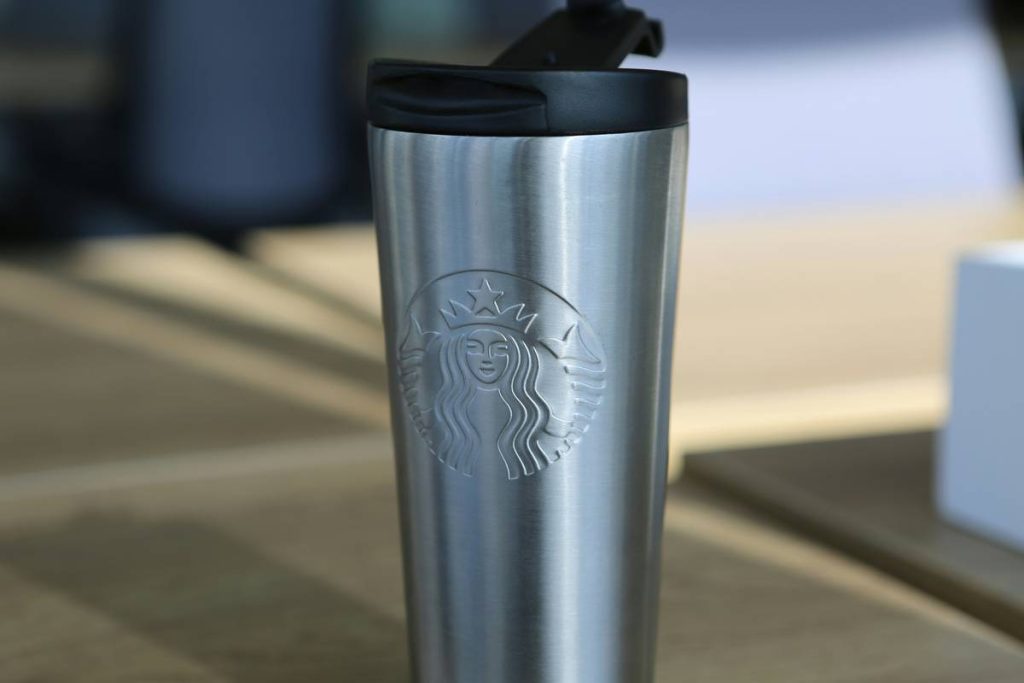
Opt for seamless, double-walled designs. Single-wall mugs conduct heat quickly (ouch!) and may lack adequate insulation. Double walls create a vacuum layer that retains temperature and prevents exterior sweating.
3. Inspect the Lid
Lids should be BPA-free and easy to disassemble for cleaning. Silicone gaskets prevent leaks but can trap residue if not cleaned regularly—replace them every 6–12 months.
4. First Use Protocol
Before your first sip, wash thoroughly with warm water and vinegar (1:1 ratio). This neutralizes manufacturing residues. Never skip this—even “pre-washed” mugs can harbor oils from production.
Best Practices for Longevity and Safety
- Never microwave it: Stainless steel reflects microwaves—this can damage your appliance or cause sparks.
- Hand-wash only: Dishwasher detergents are abrasive and can degrade the passive oxide layer that protects against corrosion. Use a soft sponge and mild soap.
- Deodorize naturally: For lingering smells (hello, garlic!), fill the mug with hot water and 1 tbsp baking soda. Let sit overnight, then rinse.
- Dry completely: Moisture trapped in crevices breeds mold. Air-dry upside down on a clean rack.
And here’s a terrible tip you’ll see online: “Use bleach to disinfect your stainless mug.” Don’t. Bleach reacts with nickel and can release toxic fumes. Stick to vinegar or hydrogen peroxide for deep cleaning.
Real-World Results: What the Data Shows
A 2023 lifecycle analysis by the University of California found that a single stainless steel coffee mug offsets its environmental impact after just 15 uses compared to disposable alternatives. Over five years, one user prevented approximately 1,825 single-use cups from entering landfills. Additionally, the Consumer Product Safety Commission confirms that properly manufactured 304-grade stainless steel shows no detectable leaching of metals into hot liquids under normal use.
At Free Stuff Factory, we’ve tracked customer feedback since 2021. Users who follow maintenance guidelines report their coffee mug stainless metal lasting over seven years—versus an average of 11 months for ceramic or glass alternatives that chip or crack.
Frequently Asked Questions
Are coffee mug stainless metal models safe for hot and cold drinks?
Yes—304-grade stainless steel is non-reactive and handles temperatures from freezing to boiling without leaching chemicals. Just ensure it’s not single-walled if you’re drinking ice-cold beverages outdoors; condensation can make it slippery.
Can I put my stainless steel coffee mug in the dishwasher?
We strongly advise against it. High heat and harsh detergents accelerate wear, dull the finish, and may compromise the protective chromium oxide layer. Hand-washing extends lifespan significantly.
Why does my stainless mug smell like metal?
This usually means low-grade steel or improper cleaning. Perform a vinegar soak (equal parts vinegar and water, 30 minutes), then scrub gently with baking soda. If the odor persists, the alloy may contain impurities.
Is “stainless steel” always eco-friendly?
Only if used long-term. Manufacturing stainless steel is energy-intensive, but its durability makes it sustainable over time. According to the International Stainless Steel Forum, over 90% of stainless steel is recycled at end-of-life—far higher than plastic or paper composites.
How do I know if my mug is truly food-grade?
Check for explicit labeling: “18/8,” “304,” or “food-grade stainless steel.” When in doubt, contact the manufacturer. Reputable brands transparently share material specs—see our About Us page for our sourcing standards.
Can I use it for milk-based drinks like lattes?
Absolutely—but rinse immediately after use. Milk proteins can cling to microscopic surface imperfections and sour if left uncleaned. A quick rinse followed by full washing within 2 hours prevents odors.
Making sustainable choices shouldn’t mean sacrificing performance or safety. With the right knowledge, your coffee mug stainless metal becomes a trusted companion for years—not just another piece of greenwashed clutter. Ready to upgrade your eco-kitchen arsenal? Contact us with your questions—we’re here to help you choose wisely. And remember: every sip in a reusable mug is a quiet rebellion against waste.
No landfill. No regret. Just perfect coffee.