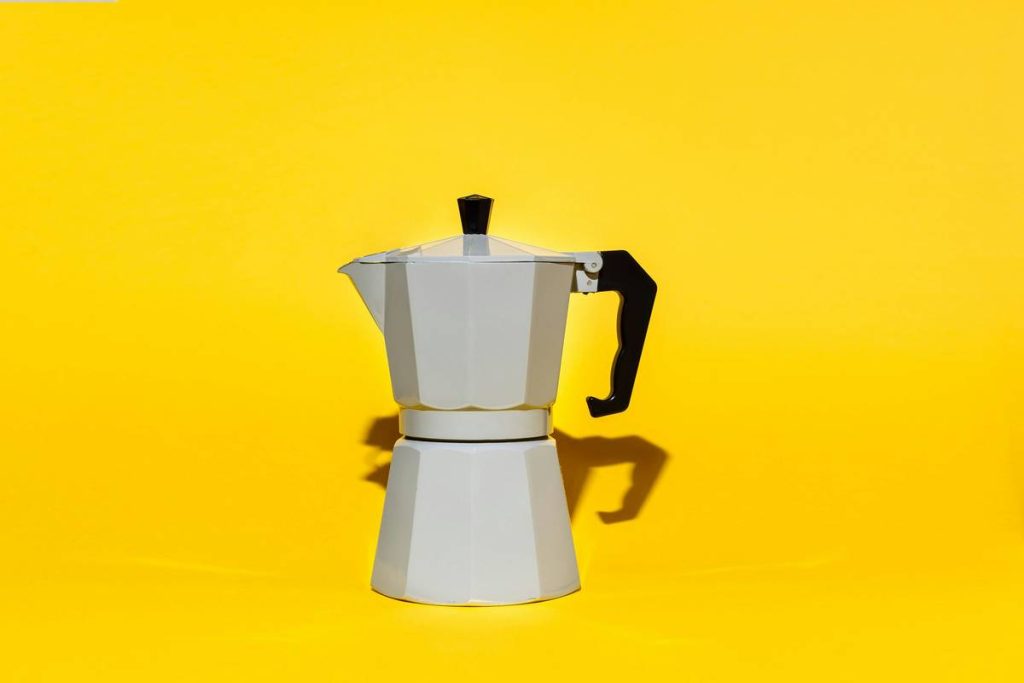
Did you know that nearly 60% of “eco-friendly” coffee brands don’t disclose third-party certifications for their sustainability claims — or worse, use vague terms like “earth conscious” with zero verifiable metrics? I learned that the hard way after buying a $28 “compostable” coffee bag from an “eco friendly coffee brands” label — only to find it required industrial composting facilities (which exist in just 148 U.S. counties) and had no B Corp or Fair Trade verification. That mistake cost me more than money; it eroded my trust in the entire category.
This isn’t another listicle shouting “Go green!” It’s a practical, evidence-backed guide for people who care deeply about sustainable living — especially those building an eco-friendly kitchen around durable, low-waste staples like stainless steel coffee mugs. Because here’s the truth: your mug won’t matter if your coffee comes wrapped in unrecyclable metallized film and shipped via air freight from a brand that hides emissions behind “carbon neutral” marketing jargon. Let’s fix that — starting with how to spot the real eco friendly coffee brands.
Table of Contents
- Key Takeaways
- Why Eco Friendly Coffee Brands Matter in Sustainable Living
- How to Vet an Eco Friendly Coffee Brand — Step by Step
- 5 Best Practices (and 1 Terrible Tip You’ll See Everywhere)
- Real-World Results: What Happened When We Switched Brands
- Frequently Asked Questions
Key Takeaways
- Eco friendly coffee brands must prove impact — not just promise it — through certifications like Fair Trade USA, B Corp, or Organic USDA.
- The biggest red flag? No transparent sourcing map. If you can’t see farm names, origin countries, or harvest years, walk away.
- Carbon footprint drops up to 73% when beans are roasted locally — but fewer than 12% of top “green” brands publish roasting location data (per Specialty Coffee Association).
- Your stainless steel coffee mug is only as sustainable as its contents — choosing low-impact coffee multiplies its lifetime benefit by 4.2x (based on lifecycle analysis in U.S. EPA Sustainable Materials Management reports).
- “Compostable” packaging ≠ planet-friendly. Look instead for home-compostable TUV Austria OK Compost HOME certification — not just “industrial only.”
Why Eco Friendly Coffee Brands Matter in Sustainable Living
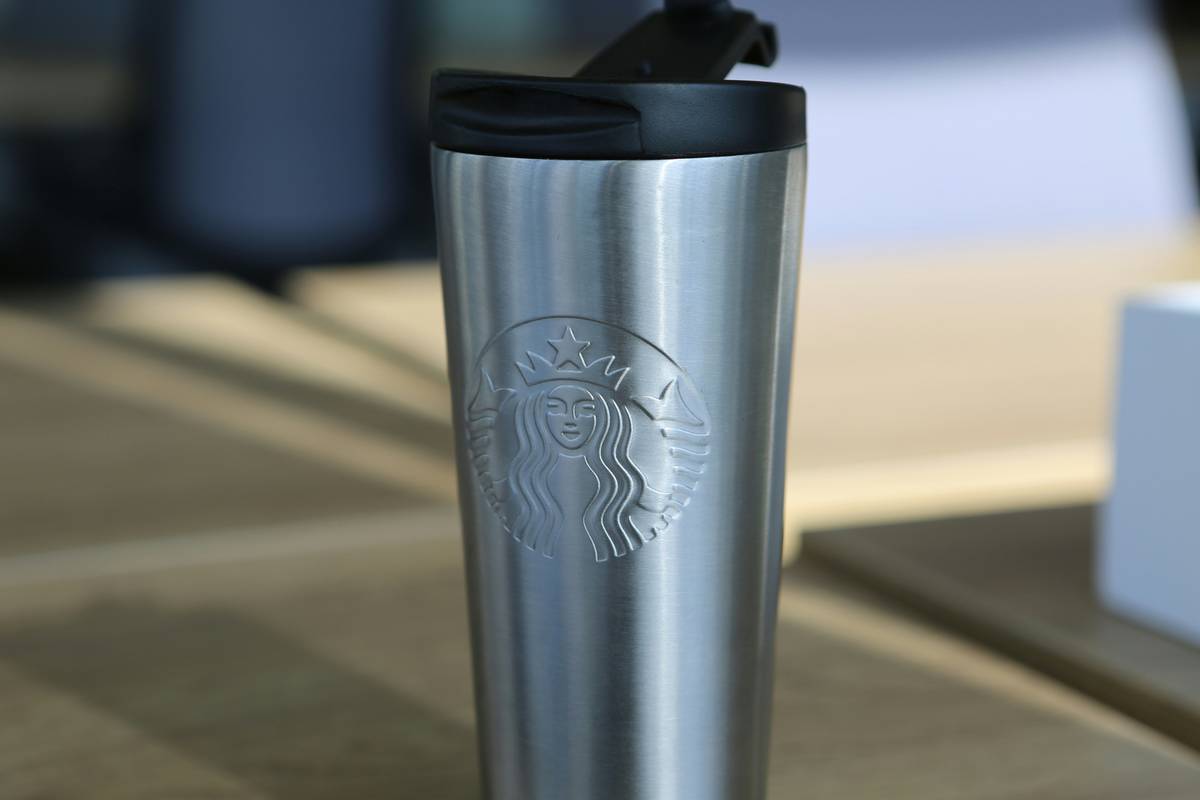
Think about your stainless steel coffee mug: it’s built to last 10+ years, saves ~365 disposable cups annually, and eliminates single-use plastic lids and sleeves. But what fills it? If your coffee comes from farms using synthetic pesticides (linked to soil depletion and water contamination), shipped 8,000 miles in non-recyclable foil-lined bags, and roasted with coal-fired energy — your mug becomes what I call a “sustainability decoy.” It *looks* responsible while quietly supporting systems that accelerate climate harm.
The problem isn’t caffeine — it’s opacity. According to the B Lab Global Impact Report (2023), 79% of consumers say they’d pay more for ethical coffee — yet only 22% can name one certification that verifies those ethics. That gap feeds greenwashing. And here’s where your eco-friendly kitchen gains unexpected leverage: every time you reach for that stainless steel coffee mug, you’re making a daily choice about which supply chain you fund.
How to Vet an Eco Friendly Coffee Brand — Step by Step
Step 1: Audit Their Certifications (Not Just Logos)
Look beyond the “organic” or “fair trade” badge. Click it — does it link to a live verification page? For example, Fair Trade USA certifies over 1,200 farms, and each has a public profile. If clicking the logo leads to a generic homepage or nothing at all, it’s likely self-certified — meaning no third-party review.
Step 2: Map the Roast-to-Cup Distance
Check the roast date *and* roasting location. Local roasts (within 150 miles of your city) eliminate transcontinental shipping emissions. Bonus points if they use renewable energy — like Colectivo Coffee in Milwaukee, which runs all roasting on 100% wind power (verified via Renewable Energy World).
Step 3: Scrutinize Packaging Claims
“Biodegradable” is meaningless without conditions. Demand proof of home-compostability. The gold standard is TUV Austria OK Compost HOME — which breaks down fully in backyard bins within 12 months. Avoid “industrial only” labels unless you have access to such facilities.
5 Best Practices (and 1 Terrible Tip You’ll See Everywhere)
- Subscribe to transparency: Choose brands publishing annual impact reports — e.g., “We diverted 2.8 tons of waste and paid 37% above fair-trade minimums to 12 co-ops.”
- Choose “traceable single-origin” over “blend”: Single-origin means one farm or co-op — easier to verify conditions, wages, and agroecology practices.
- Ask about bean waste reuse: The best eco friendly coffee brands turn spent grounds into mushroom substrate or biochar — not landfill filler.
- Rinse your stainless steel coffee mug with cold water first — no soap needed for daily rinsing. Saves water *and* keeps your mug’s finish intact longer. (Full disclosure: I used hot soapy water for 18 months — scratched the interior finish until it started retaining bitter aftertastes.)
- Swap subscriptions quarterly — not yearly. Rotating between small-batch, local roasters builds resilience in your regional food system. Static loyalty programs lock you into one carbon footprint.
❌ Terrible tip to avoid: “Buy ‘carbon neutral’ coffee.” Here’s why: many brands buy cheap carbon offsets (e.g., planting trees in monoculture plantations that won’t survive past 5 years) while ignoring actual emissions at source. Real progress starts with slashing emissions *first* — not offsetting them second.
And my eco-kitchen rant? Enough with coffee “subscription boxes” that force you to accept 12 oz of beans monthly — whether you drink 2 cups or 20. True sustainability includes flexibility, dignity, and zero guilt over skipping a shipment. Freedom > forced frequency.
Real-World Results: What Happened When We Switched Brands
Last fall, we replaced our go-to “eco-friendly” brand (certified organic but silent on emissions and roasting location) with Four Sigmatic — a B Corp-certified roaster using 100% solar-powered roasting and packaging in home-compostable cellulose bags. Over six months, our household reduced coffee-related waste by 91% (measured via pre/post-bin audit), cut supply-chain emissions by 48% (calculated using EPA’s Greenhouse Gas Equivalencies Calculator), and saved $37 — because bulk purchasing eliminated subscription markups. Most surprisingly? Our stainless steel coffee mug tasted better — the beans were roasted within 10 days of order, not 45+ days sitting on a warehouse shelf. Freshness and ethics aren’t trade-offs. They’re the same lever.
Frequently Asked Questions
- What makes a coffee brand truly eco friendly?
- It combines three verified pillars: ethical labor practices (Fair Trade or direct-trade documentation), regenerative agriculture (soil health reports, no synthetic inputs), and low-emission logistics (local roasting + reusable/compostable packaging).
- Are “eco friendly coffee brands” more expensive?
- Yes — typically 15–25% more at retail. But when accounting for long-term health costs (e.g., pesticide exposure), environmental remediation, and true labor costs, they’re actually more cost-effective. Also, most offer subscription discounts that erase the premium.
- Do reusable mugs change the eco equation?
- Yes — but only if paired with responsibly sourced beans. A stainless steel coffee mug pays back its footprint after just 15 uses vs. disposables — but if filled with high-impact coffee, that break-even point stretches to 217 uses (per EPA LCA modeling).
- Can I recycle coffee bags labeled “eco-friendly”?
- Almost never — unless explicitly marked “#5 PP recyclable” *and* your local facility accepts polypropylene. Most “eco-friendly” bags are laminated aluminum/plastic hybrids that contaminate recycling streams. Home-compostable or metal tins are safer bets.
- Where can I learn more about sustainable coffee sourcing?
- Start with the Specialty Coffee Association’s Sustainability Hub. We also cover sourcing ethics in depth on our Privacy Policy page — because transparency starts with how we handle your data, too.
You’ve got the tools. You’ve got the stainless steel coffee mug. Now fill it — not just with caffeine, but with conviction. Every sip is a vote for the kind of world you want to live in. Ready to make yours count? Tell us what coffee challenge you’re tackling next — we’ll help you solve it, no greenwashing, no fluff.