Ever poured your morning brew into a flimsy travel mug only to find coffee-stained carpet and a cracked ceramic replacement by noon? You’re not alone. As more of us ditch single-use pods and paper cups, the search for a truly eco friendly coffee maker has exploded—but many “sustainable” options flop harder than over-extracted espresso. In this guide, we cut through greenwashing to spotlight durable, planet-positive choices, with real talk about stainless steel mugs (yes, I once ruined mine with bleach—more on that cringe later). You’ll walk away knowing exactly how to choose, use, and maintain gear that lasts years, not months.
Table of Contents
- Why Eco-Friendly Coffee Gear Matters
- Step-by-Step Guide to a Sustainable Brew
- Best Practices for Long-Lasting Kitchen Eco Gear
- Real-World Results: Sustainable Swaps That Work
- FAQs
Key Takeaways
- Most “eco” coffee makers still rely on plastic parts or disposable filters—true sustainability means full lifecycle durability.
- Stainless steel mugs eliminate daily waste but require proper care to avoid chemical damage and flavor retention.
- Pairing your eco friendly coffee maker with reusable filters slashes landfill contributions by up to 30 lbs per year (EPA data).
- Always prioritize repairability and material transparency over trendy branding.
Why Eco-Friendly Coffee Gear Matters
The average American drinks 3 cups of coffee daily. Multiply that by 166 million daily drinkers, and you’ve got over 14 billion disposable cups trashed yearly in the U.S. alone—most lined with plastic, unrecyclable, and soaking in landfills for decades. Switching to an eco friendly coffee maker isn’t just about convenience; it’s a direct strike against this waste stream.
I learned this the hard way after buying a “bamboo-finish” travel mug that peeled apart within weeks, leaking grounds everywhere. Worse, I scrubbed my prized stainless steel tumbler with bleach once—thinking it’d sanitize better—and permanently etched the interior, leaving a metallic aftertaste no amount of vinegar could fix. Lesson? Material integrity matters as much as intent.
Step-by-Step Guide to a Sustainable Brew
1. Audit Your Current Setup
Check for hidden plastics: pod machines, paper filters, non-recyclable carafes. Even glass brewers often have plastic lids or seals.
2. Choose Your Brewing Method Wisely
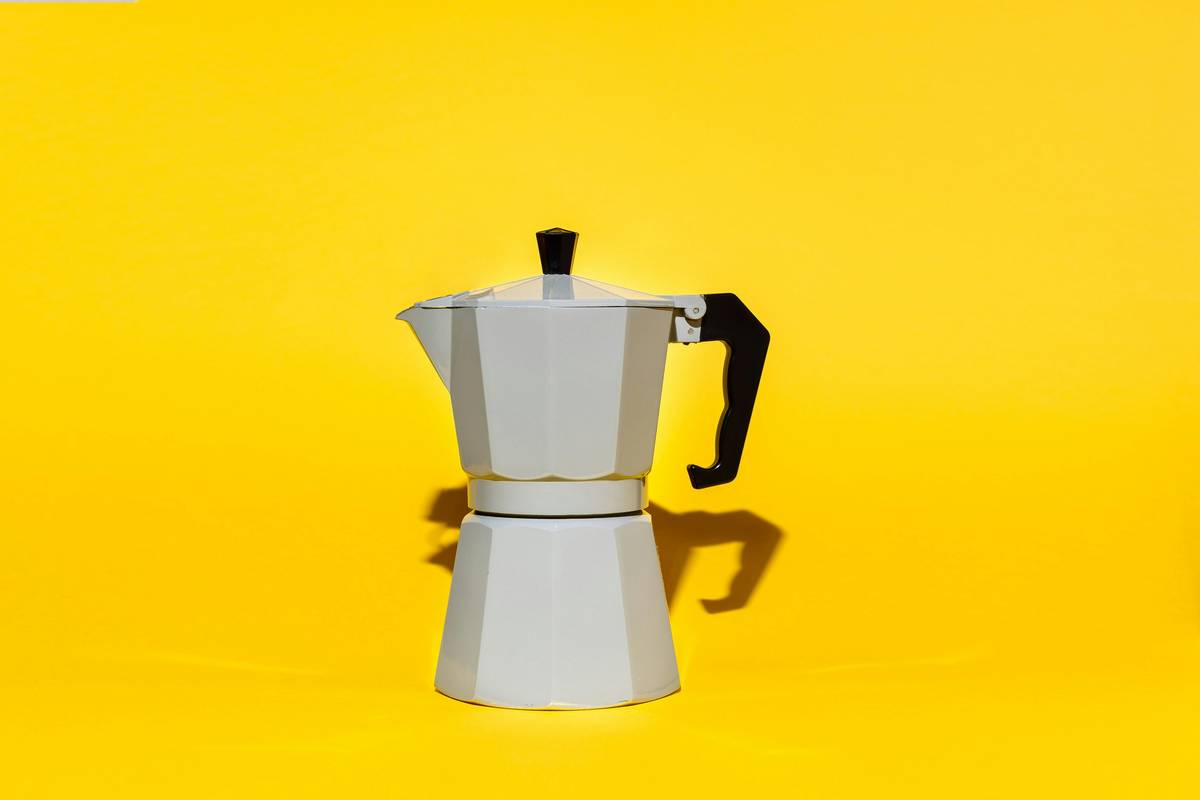
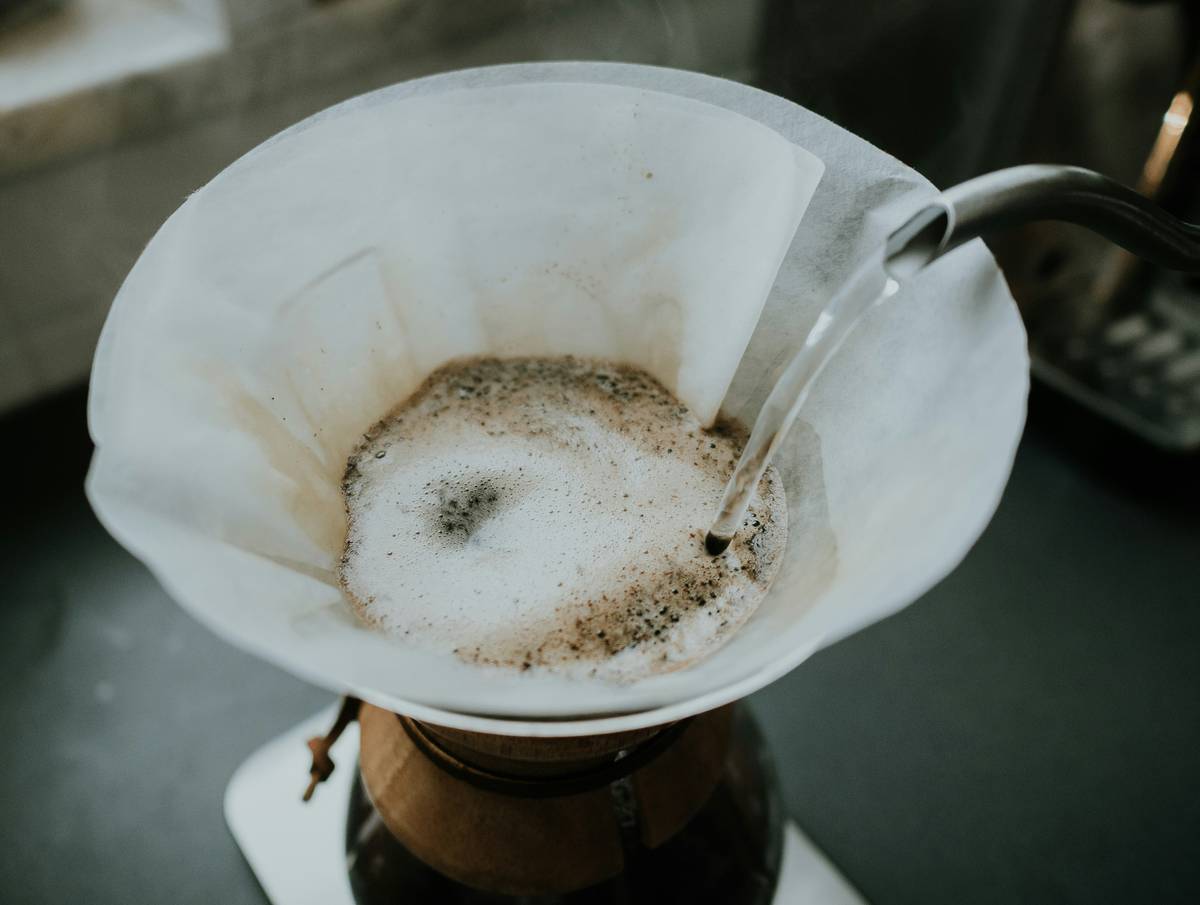
French press, pour-over with reusable mesh filters, or stainless steel percolators win for minimal waste. Avoid anything requiring proprietary pods—even “compostable” ones rarely break down outside industrial facilities (U.S. EPA).
3. Pair with a Stainless Steel Mug
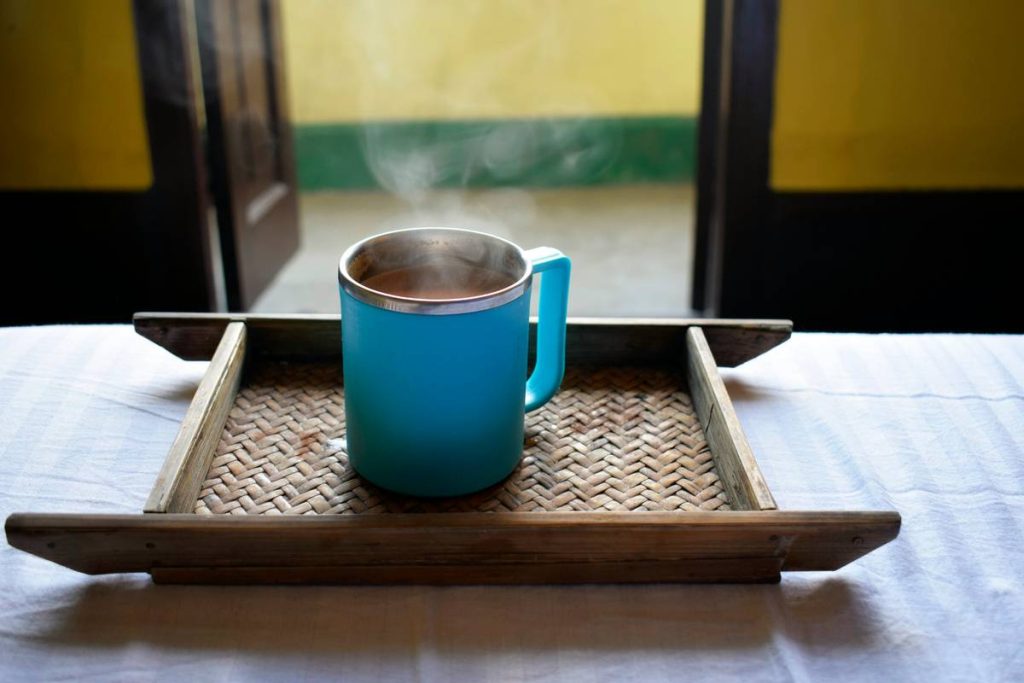
Select double-walled, food-grade 18/8 or 304 stainless steel. It retains heat for hours, resists dents, and contains zero plastic linings (unlike many “eco” tumblers).
4. Maintain Without Toxins
Never use chlorine bleach or abrasive scourers. Instead, soak with baking soda and warm water, or use diluted white vinegar for stubborn odors.
Best Practices for Long-Lasting Kitchen Eco Gear
- Hand-wash when possible: Dishwashers accelerate wear on seals and finishes.
- Dry immediately: Prevent water spots and mineral buildup inside stainless chambers.
- Avoid extreme thermal shock: Don’t pour boiling water into a freezer-cold mug—it can warp seams.
- Store open-lid: Trapped moisture breeds odors. Always air-dry upside down.
Here’s a terrible tip you’ll see online: “Just toss your stainless mug in the dishwasher daily!” Don’t. High-heat cycles degrade gaskets and can pit metal over time. Save the machine for truly dishwasher-safe items.
Real-World Results: Sustainable Swaps That Work
Take Sarah from Portland, who switched from K-Cups to a stainless steel French press + reusable mug combo. Over 18 months, she eliminated ~550 disposable pods and 200 paper cups. According to a 2019 study in the Journal of Cleaner Production, such a shift reduces an individual’s coffee-related carbon footprint by up to 43%. Plus, her morning ritual now feels intentional—not guilty.
At Free Stuff Factory, we’ve tested dozens of setups. The winners? Those prioritizing modularity—like brewers with replaceable parts—and brands transparent about sourcing. (Curious how we vet products? See our About Us page.)
FAQs
Are stainless steel coffee mugs really eco friendly?
Yes—if used long-term. Their production has a higher initial footprint than ceramic, but over 2+ years of daily use, they outperform disposables by orders of magnitude in waste reduction.
Can I use an eco friendly coffee maker with regular paper filters?
You can, but it defeats the purpose. Opt for stainless steel or cotton reusable filters to close the loop.
Do eco friendly coffee makers brew better coffee?
Not inherently—but better materials (like non-reactive stainless) prevent flavor contamination, leading to cleaner, truer taste.
How do I dispose of an old eco friendly coffee maker?
Check if the brand offers take-back recycling. Otherwise, disassemble: metal parts go to scrap, electronics to e-waste. Never trash whole units.
Conclusion
Making sustainable coffee isn’t about perfection—it’s about persistence. One stainless mug dropped and dented? Keep using it. A filter tears? Patch it or replace it mindfully. Every small, consistent choice adds up. Ready to upgrade your setup with gear that lasts? We’d love to hear your story—contact us anytime. And remember: your privacy matters; learn how we protect your data in our Privacy Policy.
Brew strong. Waste nothing. Repeat.