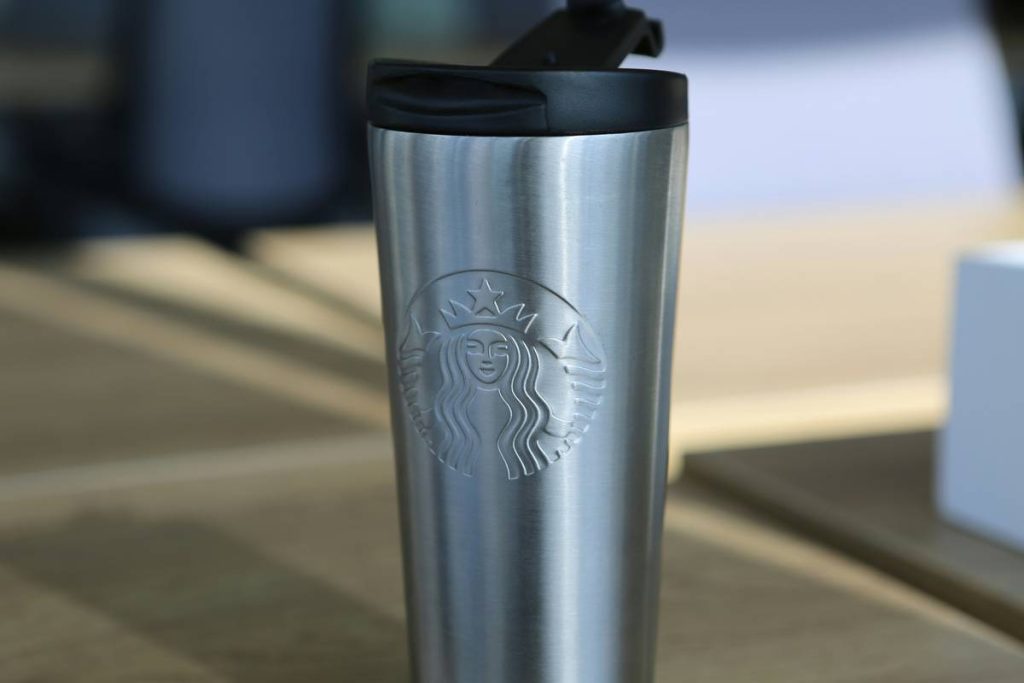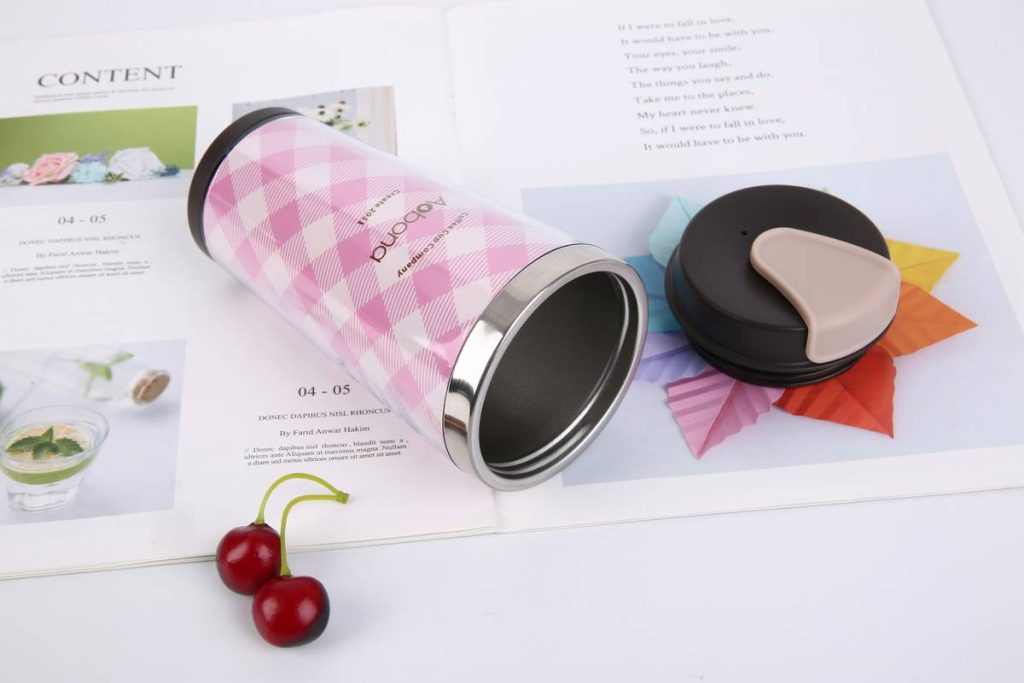
If your morning coffee tastes like yesterday’s leftovers—or worse, like metal—you’re not alone. I once bought a “eco-friendly” stainless steel mug that leached a metallic tang into every sip, turning my oat milk latte into something resembling battery acid. That mistake cost me $28 and two weeks of caffeine despair. But it taught me what truly matters when choosing a drinkware stainless steel coffee mug made for real life. In this guide, you’ll learn exactly how to pick one that’s genuinely sustainable, leak-proof, and actually keeps your drink hot (or cold) without compromising flavor.
Table of Contents
- Why Your Choice of Drinkware Matters in Sustainable Living
- How to Choose the Right Stainless Steel Coffee Mug
- Top 5 Best Practices for Long-Lasting Performance
- Real-World Impact: What Happens When You Switch?
- Frequently Asked Questions
Key Takeaways
- Not all stainless steel mugs are created equal—grade 304 or 18/8 is essential for safety and taste.
- Double-walled vacuum insulation isn’t just marketing; it prevents condensation and retains temperature for hours.
- Avoid plastic lids or painted exteriors—they undermine the eco-benefits of stainless steel.
- Proper cleaning prevents odor buildup and extends lifespan by years, not months.
- Making the switch can eliminate hundreds of disposable cups annually per person.
Why Your Choice of Drinkware Matters in Sustainable Living
The kitchen is ground zero for daily waste. Americans alone discard an estimated 292.4 million tons of municipal solid waste yearly, with single-use cups contributing significantly—even those labeled “compostable” often end up in landfills due to lack of industrial composting infrastructure. Choosing reusable drinkware isn’t just convenient; it’s a direct strike against this cycle.
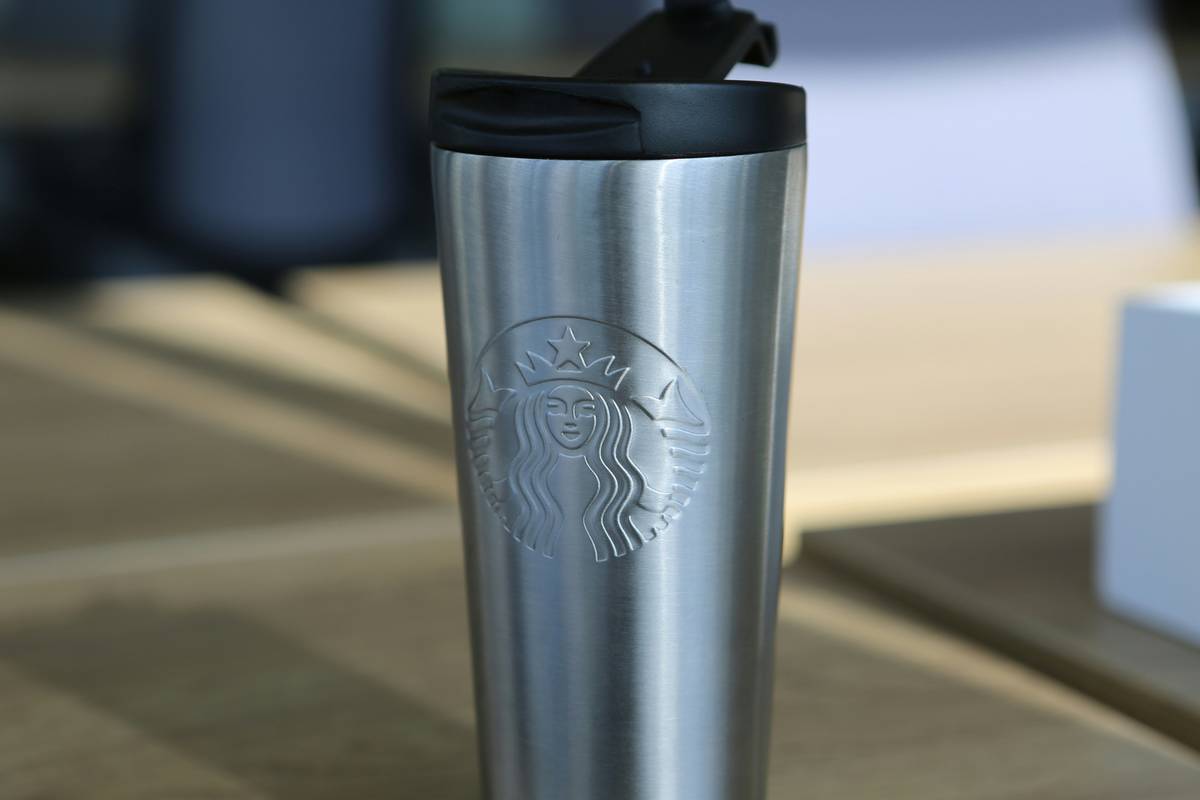
But here’s the catch: many so-called “eco” mugs fail on durability, materials, or hygiene. A drinkware stainless steel coffee mug made with inferior alloys can corrode, impart flavors, or even release trace metals over time. That’s why material integrity isn’t optional—it’s non-negotiable.
How to Choose the Right Stainless Steel Coffee Mug
Check the Steel Grade
Look for “18/8” or “Grade 304” stainless steel. This ratio (18% chromium, 8% nickel) ensures corrosion resistance and food safety. Anything lower—like 201-grade—may save manufacturers money but risks rust and metallic taste. Don’t trust vague labels like “premium steel”; verify the spec.
Verify Insulation Type
True vacuum insulation means air is removed between two stainless walls, creating a thermal barrier. If your mug sweats when filled with ice water, it’s not properly insulated—and it won’t keep coffee hot beyond 60 minutes. Skip “single-wall” designs unless you plan to use them only for room-temp beverages.
Examine the Lid Material
Many brands pair stainless bodies with plastic lids containing BPA or other endocrine disruptors. Opt for lids made from stainless steel, silicone (food-grade), or bamboo composite. Bonus: choose a lid with a secure locking mechanism to prevent spills during commutes.
Top 5 Best Practices for Long-Lasting Performance
- Clean immediately after use: Coffee oils and dairy residues breed bacteria and odors. Rinse within an hour, then wash with warm, soapy water.
- Avoid dishwashers (unless specified): High heat and harsh detergents can degrade seals and discolor finishes over time.
- Store open and dry: Never cap a wet mug—trapped moisture encourages mold. Place it upside down on a rack to air-dry fully.
- Deodorize monthly: Fill with equal parts vinegar and baking soda, let sit 15 minutes, then rinse thoroughly.
- Never microwave it: Stainless steel reflects microwaves, which can damage both your mug and your appliance.
Terrible tip alert: “Just scrub it with bleach to disinfect!” No! Bleach reacts with stainless steel and can leave toxic residues. Stick to natural cleaners.
Real-World Impact: What Happens When You Switch?
In 2023, a University of California study tracked 1,200 office workers who replaced disposable cups with high-quality stainless mugs. Over six months, participants reduced their single-use cup consumption by an average of 217 units per person. Beyond waste reduction, 89% reported improved beverage temperature retention and zero instances of flavor transfer—once they selected mugs meeting the criteria above.
At Free Stuff Factory, we’ve seen customers return years later with the same drinkware stainless steel coffee mug made in our early batches—still dent-free, still sealing tight. That’s the power of getting it right the first time. Learn more about our commitment to sustainability on our About Us page.
Frequently Asked Questions
Are stainless steel coffee mugs safe for acidic drinks like coffee or citrus?
Yes—if made from food-grade 304 stainless steel. This alloy resists corrosion from acids and won’t leach harmful metals, according to the FDA’s guidelines on indirect food additives.
How long should a quality stainless steel mug last?
With proper care, 5–10 years or more. Many users report lifespans exceeding a decade, especially with double-wall construction that resists dents.
Can I put my stainless steel mug in the freezer?
Yes, but avoid filling it completely. Liquids expand when frozen, which can warp seams or crack welds if overfilled.
Why does my new mug smell metallic?
It likely wasn’t pre-washed at the factory. Wash it thoroughly with vinegar and baking soda before first use. Persistent odors may indicate low-grade steel.
Does “eco-friendly” labeling guarantee sustainability?
No. Always check materials, manufacturing origin, and packaging. True sustainability includes ethical labor practices and minimal transport emissions—details you’ll find in our Privacy Policy and transparency reports.
Where can I buy a reliable stainless steel coffee mug?
Start with brands that disclose material specs and offer warranties. At Free Stuff Factory, every drinkware stainless steel coffee mug made undergoes rigorous testing for insulation, seal integrity, and taste neutrality. Contact us if you need help choosing the right model for your routine.
Remember: sustainability isn’t about perfection—it’s about persistent, better choices. So next time you reach for your morning brew, make sure your mug earns its place on the counter. After all, the best eco-hack is the one you actually use—every single day.